International Moon Day Space Exploration Workshop.
Get link
Facebook
X
Pinterest
Email
Other Apps
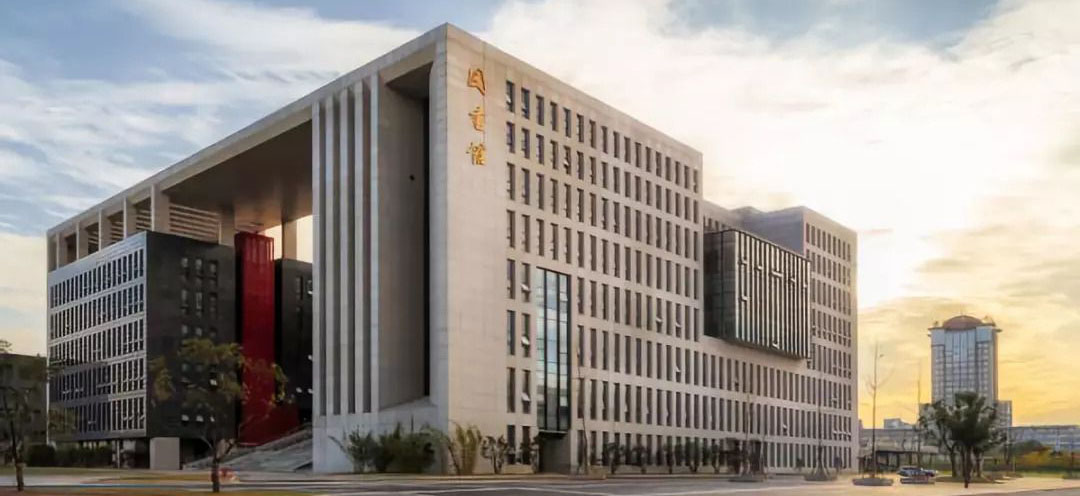
JUL 21th From 14:00 to 17:00; will be held the International Moon Day Space Exploration workshop in Nanjing ILEWG NUAANUAA Nanjing Aerospace University, China Nanjing.
On July 21th, 2025 from 18:00 to 22:00 a Symposium of lunar construction by intelligent robot swarm will be held at the Harbin Institute of Technology, China Harbin. JUL21 July 21th to July 22nd from 18:30 to 00:30 FARI E SFARI DI LUNA. PANTELLERIA CORSO UMBERTO I, PANTELLERIA. JUL22 All Day Grand Opening of Lunar Exploration Theme Zone at Heilongjiang Science and Technology Museum Harbin Institute of Technology, China Harbin JUL22 08:00 - 17:00 Multi-level Quiz on Moon (TEAM CONTEST) Regional Science Centre and Planetarium, Calicut, Kerala, India Jafferkhan Colony, Calicut. JUL22 12:00 - 17:00 4th PromoMoon Initiative Closing CeremonyUkraine - Online. JUL22 18:00 - 21:3? Mezinárodní den Měsíce 2025 – Měsíc jako symbol poznání a velkých výzev. Brno Observatory and Planetarium, Czech Republic Brno. JUL23 10:00 - 12:00 Make a Moon Village Texas, USA TX. JUL23 10:30 - 13:00 Student Workshop: Moon colonizing through AI, Robotics and Metaverse.Regional Science Centre and Planetar...
We are entering a second lunar age—one marked by a surge in planned missions to the Moon and growing commercial involvement in lunar exploration and utilization. With more than 100 missions planned by 2030, ensuring the safety, sustainability, and coordination of lunar activities has become a shared priority for both policymakers and industry. Related Sites and Documents: Conference on the Commercial Lunar Landscape and Policy Needs . Watch the Conference on the Commercial Lunar Landscape and Policy Needs [Meeting 4 ] ! Meetings & Events


Comments
Post a Comment